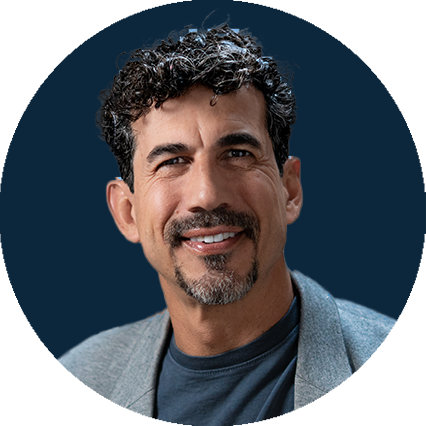
Iván Carrillo, the co-founder of two InquireFirst journalism programs on science, health and the environment, is a 2025 recipient of the National Academies of Sciences, Engineering and Medicine Award for Excellence in Science Communications.
The prestigious Eric and Wendy Schmidt Award recognizes science journalists, research scientists and science communicators who have developed creative, original work to communicate issues and advances in science, engineering and medicine to the general public. Ivan’s work was chosen from nearly 700 entries for works published or aired in 2024, the National Academies said in announcing this year’s winners.
In recognizing Ivan’s work, the selection committee said:
“Iván Carrillo’s powerful environmental journalism illuminates the biodiversity crisis in Mexico with nuance and urgency. His deeply reported stories — on the ecological devastation of the U.S.-Mexico border wall, the paradox of hunting as conservation, and the conflict between jaguar survival and shrimp farming — blend scientific evidence, human voices, and vivid narrative. With moral clarity and a global lens grounded in local realities, Carrillo demonstrates how investigative science reporting can inspire awareness and action.”
He was honored along with 23 other recipients of the 2025 award on Nov. 11-14, 2025, in Washington D.C.
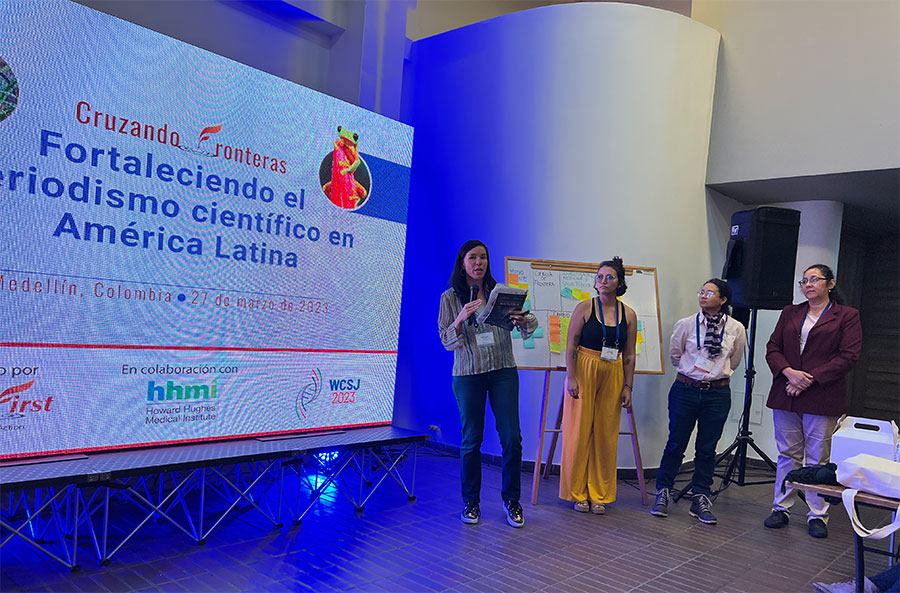
Iván has partnered with InquireFirst for six years to help create grant opportunities for Latin American science writers and to inform rural and Indigenous communities about science, health and the environment through InquireFirst’s Spanish-language radio program.
He is the co-founder and editor of InquireFirst’s award-winning Historias Sin Fronteras reporting grant initiative as well as the co-founder and executive producer of the radio program, En Común: conocimiento en voz viva (In Common: Knowledge from Shared Voices).
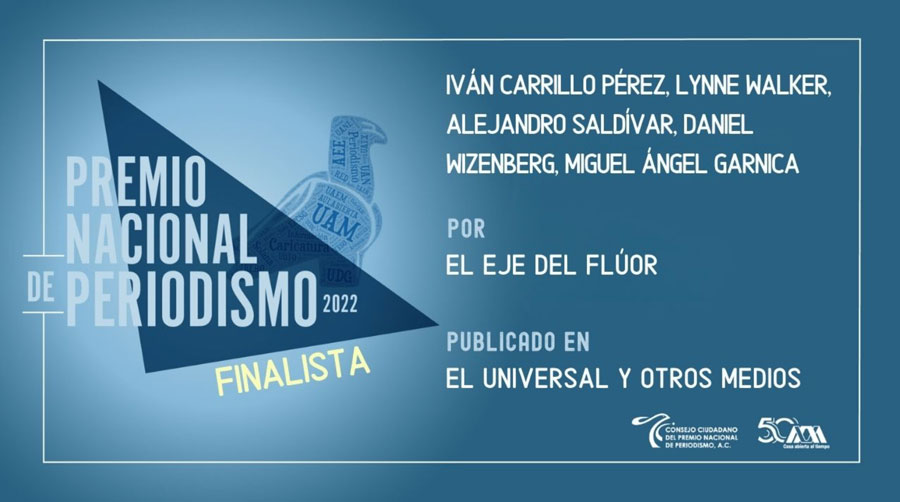
As editor of Historias Sin Fronteras, Iván has guided journalists from project idea to publication to global recognition of their work through international awards. He is mentoring a new generation of climate and environment reporters at a time when accurate, data-driven reporting is crucial for audiences in the U.S. and Latin America.